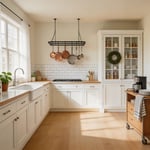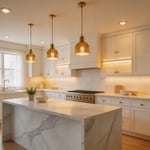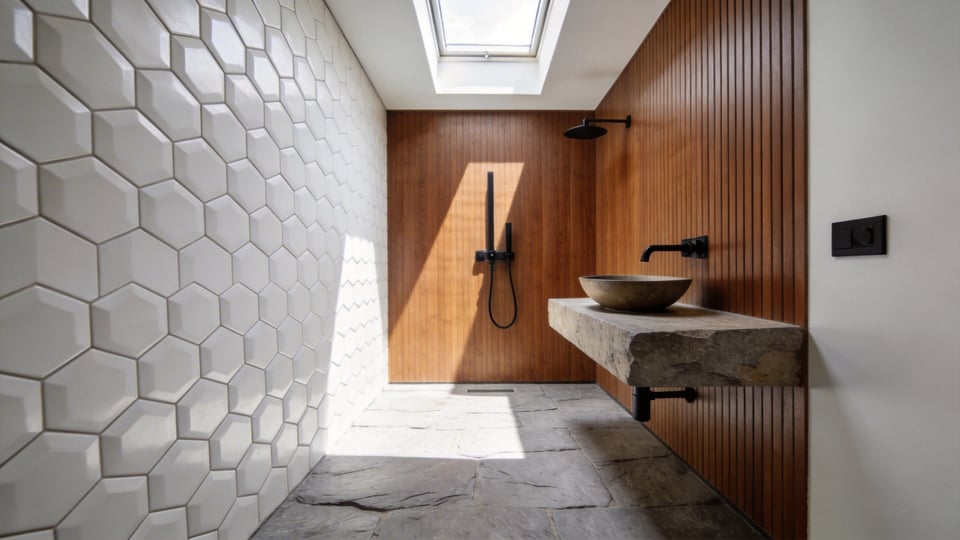
Many homeowners assume a pristine, all-white bathroom represents the absolute pinnacle of cleanliness. Glossy subway tiles and chrome fixtures certainly signal hygiene to the eye. However, this sterile aesthetic is largely a lingering shadow of the Victorian Sanitary Movement. When considering sophisticated bathroom decor ideas, we must realize that designers historically selected non-porous materials to combat microbes, not to comfort the inhabitant. Consequently, we live in the architectural wake of a century-old fear. The room feels clinical because it was originally designed to mimic a hospital ward.
This historical obsession with visual purity often leads to unintended sensory deprivation. Standard materials like ceramic and glass serve as aggressive thermal siphons. Upon contact, they rapidly draw heat away from bare skin. This causes an immediate physical chill. Additionally, these hard surfaces bounce sound. They create a high-frequency echo that strains the nervous system. Moreover, the reflection of cool blue light against white surfaces causes genuine visual fatigue. Thus, the environment actively works against the physical sensation of serenity.
True comfort requires a return to the sensory richness found in ancient bathing rituals. We must shift our focus from a mechanical “plumbing closet” to a restorative envelope. This guide explores how to replace “clinical neutrality” with rich, layered textures. We will cover refined bathroom decorating ideas that prioritize haptic variety. Specifically, we examine biophilic elements and sound-absorbing materials. Understanding the science of materials allows you to reclaim the bathroom as a sanctuary through purposeful quiet luxury.
The Science of Touch: Understanding Proprioception in Small Spaces
We often prioritize visuals, but our brains navigate cramped quarters differently. Specifically, we rely on the PIEZO2 receptor to map our surroundings. This sensor acts as our body’s internal GPS for proprioception. Consequently, it constantly “pings” the environment to locate limbs and obstacles. In a tight five-by-eight bathroom, uniform smooth surfaces can confuse these sensors. Therefore, the brain experiences spatial compression. This makes the room feel significantly smaller.
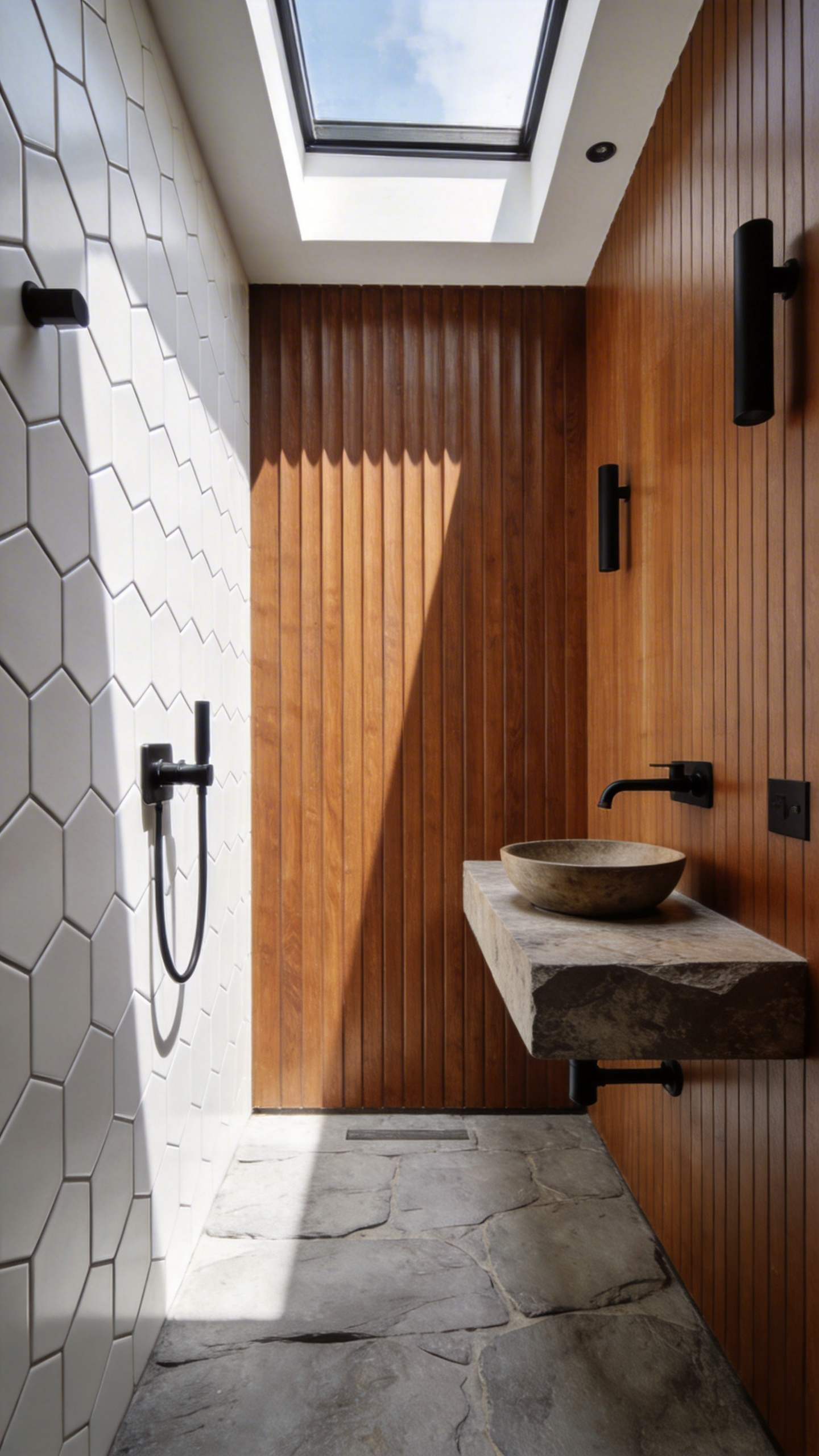
To counter this, you must design for boundary signaling. Incorporate tactile wainscoting or textured tile borders. These elements allow your body to register physical limits without looking. Furthermore, consider thermal effusivity. This measures how fast materials absorb heat. Cold, polished marble feels emotionally distant. Conversely, “warm” materials like teak floor mats trick the brain. They create a sense of enveloping comfort rather than clinical coldness.
Navigating the “haptic divide” requires balance. High-gloss finishes reflect light and expand space visually. However, too much sheen causes a disorienting “skating” sensation. Thus, experts recommend a 70/30 sensory rule. Dedicate 30 percent of surfaces to matte or grainy textures. Use honed stone or pebble floors as proprioceptive anchors. Ultimately, this grounding feedback prevents sensory friction. It allows the bathroom to function as a neurological sanctuary.
Phase 1: The Foundation of Metals (Accessible Complexity)
True durability starts beneath the surface. The substrate material defines a fixture’s longevity. Experts consistently favor solid forged brass over zinc alloys or plastic. Brass naturally resists corrosion in high-moisture environments. Furthermore, this material offers a distinct “thermal luxury.” Solid brass retains heat. Therefore, handles feel substantial rather than jarringly cold. Conversely, lighter metals often fail quickly due to internal seal degradation. Prioritizing physical heft ensures structural integrity and a sense of modern bathroom decor excellence.
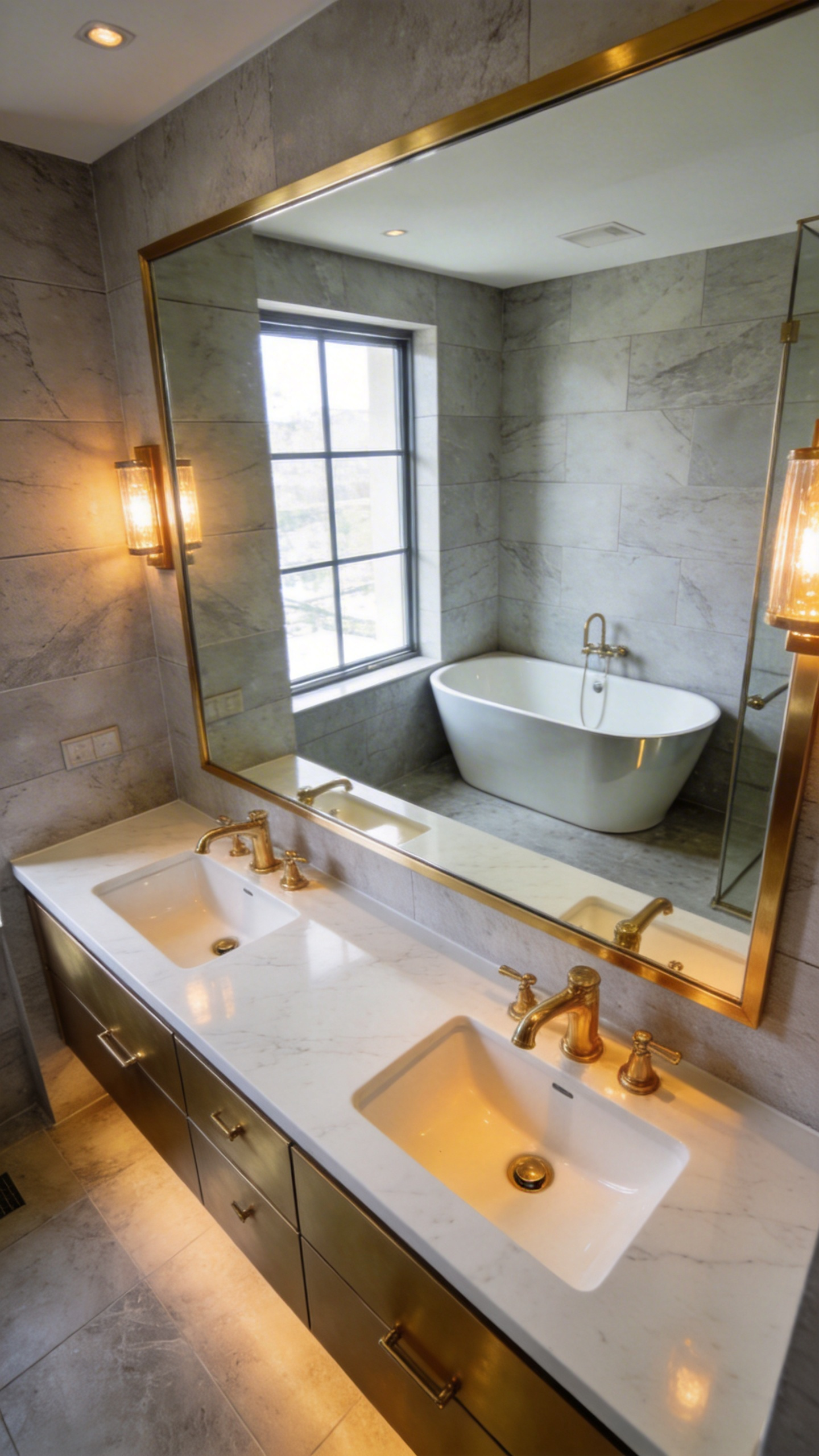
Next, consider the exterior finish technology. Historically, ornate finishes like gold were fragile. However, Physical Vapor Deposition (PVD) has revolutionized durability. This vacuum-based process bonds metal atoms directly to the surface. As a result, complex finishes become harder than the metal itself. Alternatively, “living finishes” like unlacquered brass offer a different appeal. They oxidize over time. This creates a unique patina. Thus, the metal serves as a natural archive of the home’s history.
Finally, you must establish the room’s tonal temperature. Chrome amplifies light. It makes small spaces feel expansive. In contrast, bronze absorbs light to radiate a spa-like warmth. To avoid a flat appearance, apply the 60/30/10 mixing rule. First, select a dominant foundation metal. Then, introduce a contrasting texture. Brushed finishes scatter light effectively to hide fingerprints. Ultimately, these tactile layers create a sense of “accessible complexity.”
1. Breaking the Matchy-Matchy Myth: Mixing Cool Chrome with Warm Brass
Conventional wisdom once dictated that bathroom metals must match perfectly. However, limiting a space to a single finish creates a “flat” sensory experience. Mixing cool chrome with warm brass introduces sophisticated material tension. Chrome acts as a “static” anchor. It remains impervious and mirror-like. Conversely, brass is often a “living” finish. It evolves from bright gold to moody bronze as it reacts to oxygen. Consequently, this pairing creates a compelling narrative. Modern sterility meets organic warmth.
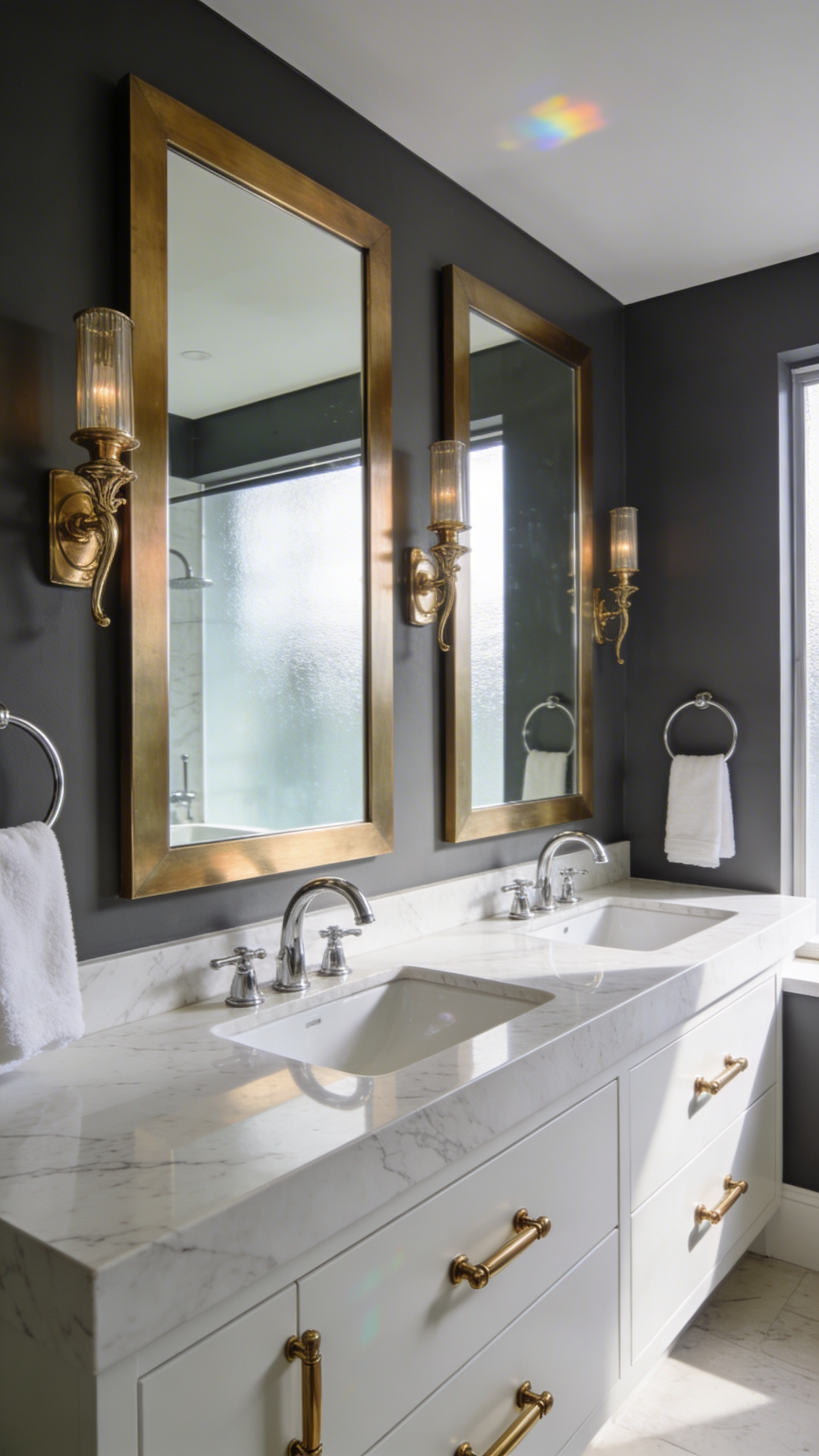
To master this look, apply the “70/30” dominance rule. Let chrome serve as the dominant structure for seventy percent of the fixtures. Then, use brass as the “jewelry” for the remaining thirty percent. Focus on touchpoints like cabinet pulls. Furthermore, this distinction prevents the “hardware store” look. The variance feels curated rather than accidental. By separating utilitarian elements from decorative ones, you bridge the gap between function and luxury.
Additionally, lighting plays a critical role here. Brass activates under warm light. Chrome thrives under cool tones. Therefore, experts recommend using a neutral white bulb around 3500K. This specific temperature allows chrome to remain crisp. It also prevents brass from looking acidic or greenish. Ultimately, this scientific approach ensures both metals maintain visual integrity.
2. The Tactile Upgrade: Knurled Hardware and Industrial Textures
Bathroom design is shifting from visual spaces to multi-sensory sanctuaries. The “tactile upgrade” relies heavily on knurled hardware. Historically, this cross-hatched pattern was strictly utilitarian. It was found on 19th-century tools and switches. Today, however, it bridges the gap between industrial utility and refined luxury.
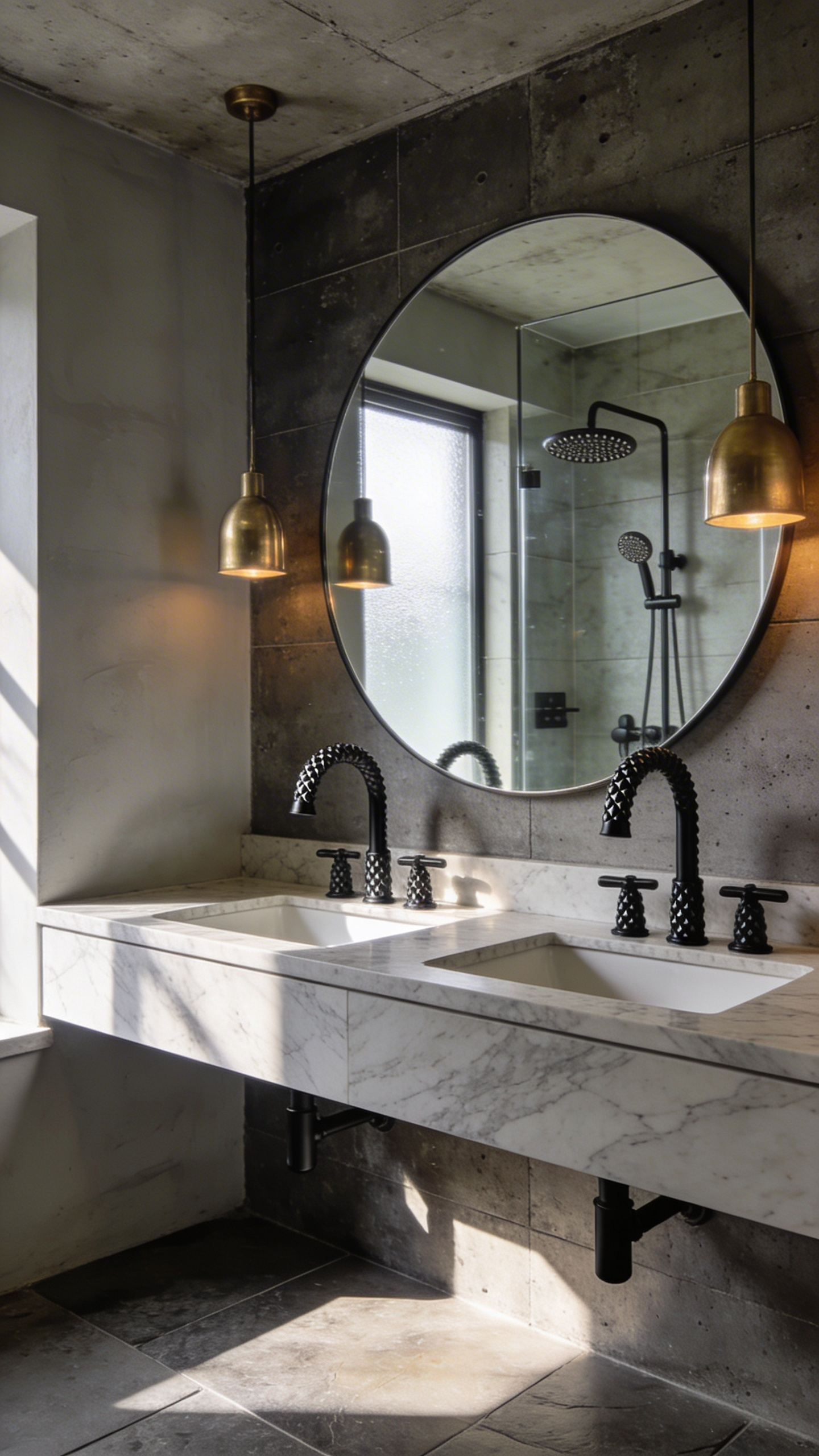
Specifically, the manufacturing process dictates the feel. High-end brands utilize “cut knurling.” CNC machines remove material to create razor-sharp ridges. Conversely, cheaper “form knurling” simply displaces metal. This often results in mushy edges. Therefore, selecting the right pattern is crucial. Diamond knurling offers an aggressive bite. Linear “reeded” grooves feel more transitional.
Sophisticated designs echo these lines elsewhere to build rhythm. Pair linear faucets with fluted glass shower screens. This creates a cohesive vertical flow. To prevent the space from feeling cold, balance is essential. Combine these hard metal textures with organic elements like reclaimed wood.
Beyond aesthetics, this trend serves a functional purpose. The added friction aids those with limited dexterity. It makes daily rituals safer. However, there is a maintenance trade-off. Unlike smooth chrome, grooves can trap soap scum. They require agitation with a soft-bristled brush. Ultimately, this detail offers a grounding sense of heft that mass-produced fixtures simply cannot match.
3. Living Finishes: Why Unlacquered Brass Creates Immediate Soul
Unlacquered brass functions as a raw, responsive material. Unlike sealed metals, it creates a chemical reaction with oxygen. Consequently, this oxidation process develops a patina over time. The finish transforms from a bright, “new money” gold into deep amber. Therefore, the metal feels alive. It offers a visual depth that factory-sealed acrylic coatings cannot replicate.
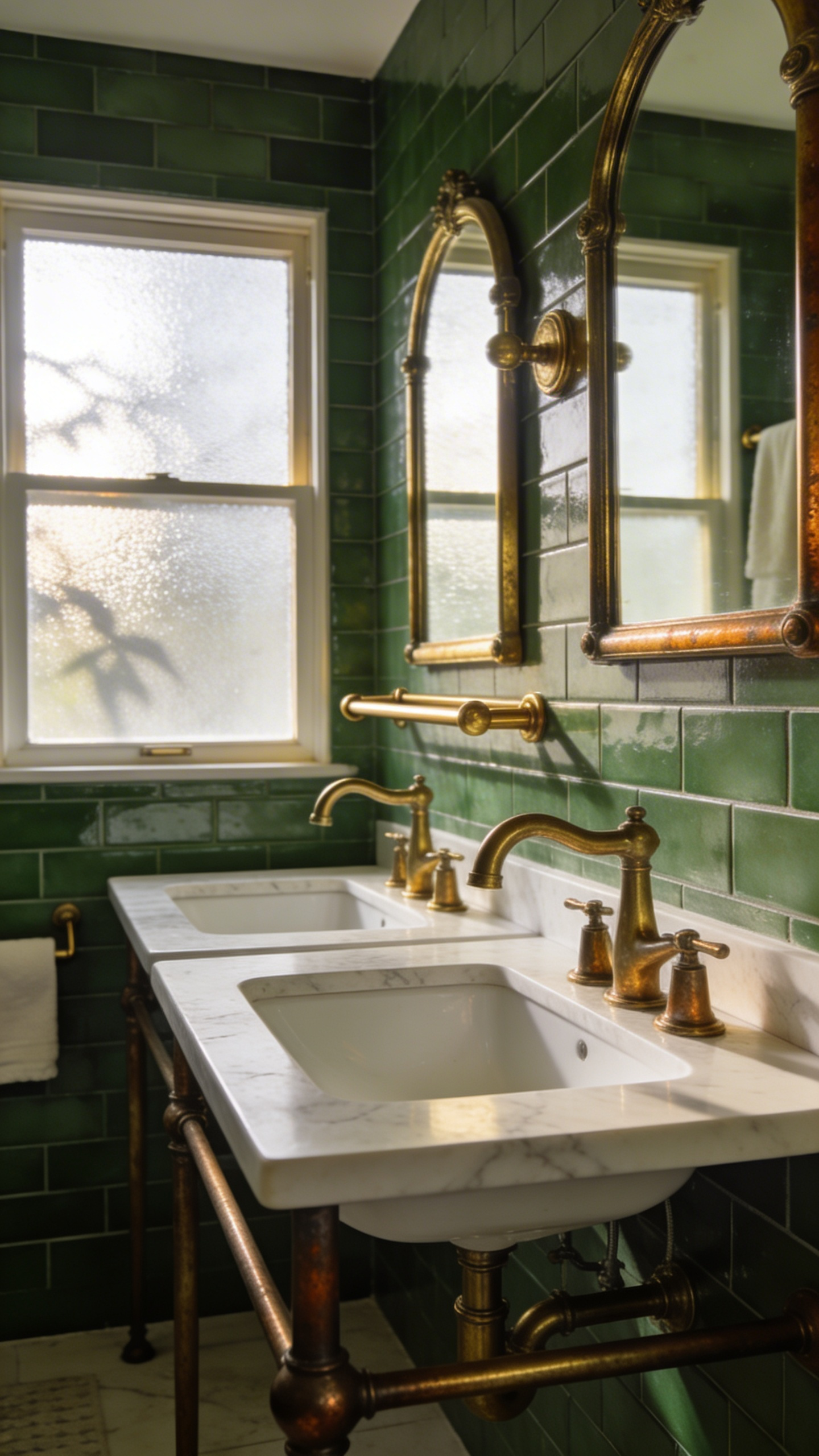
This evolution actively records the narrative of the home. Handles you touch frequently remain bright due to friction. Conversely, the untouched spout darkens. This creates a visual “heat map” of your daily rituals. Thus, this “living finish” imbues the room with evidence of life. It rejects “disposable” culture in favor of permanence.
Psychologically, this aligns with the Japanese concept of Wabi-Sabi. Water spots and fingerprints become layers of character rather than dirt. To maximize this, designers often create material tension. Pair brass with honed marble or teak. Additionally, deep background colors like navy make the aging metal glow. Ultimately, unlacquered brass transforms a sterile bathroom into a soulful sanctuary.
Phase 2: Surface Tension and Texture (Intermediate Complexity)
Moving beyond color, surface tension defines how materials interact with their environment. Modern luxury bathrooms often leverage the “Lotus Effect.” This utilizes advanced nanotechnology. Consequently, water beads into perfect spheres on nano-ceramic glass. This creates a kinetic visual experience while maintaining a dry appearance.
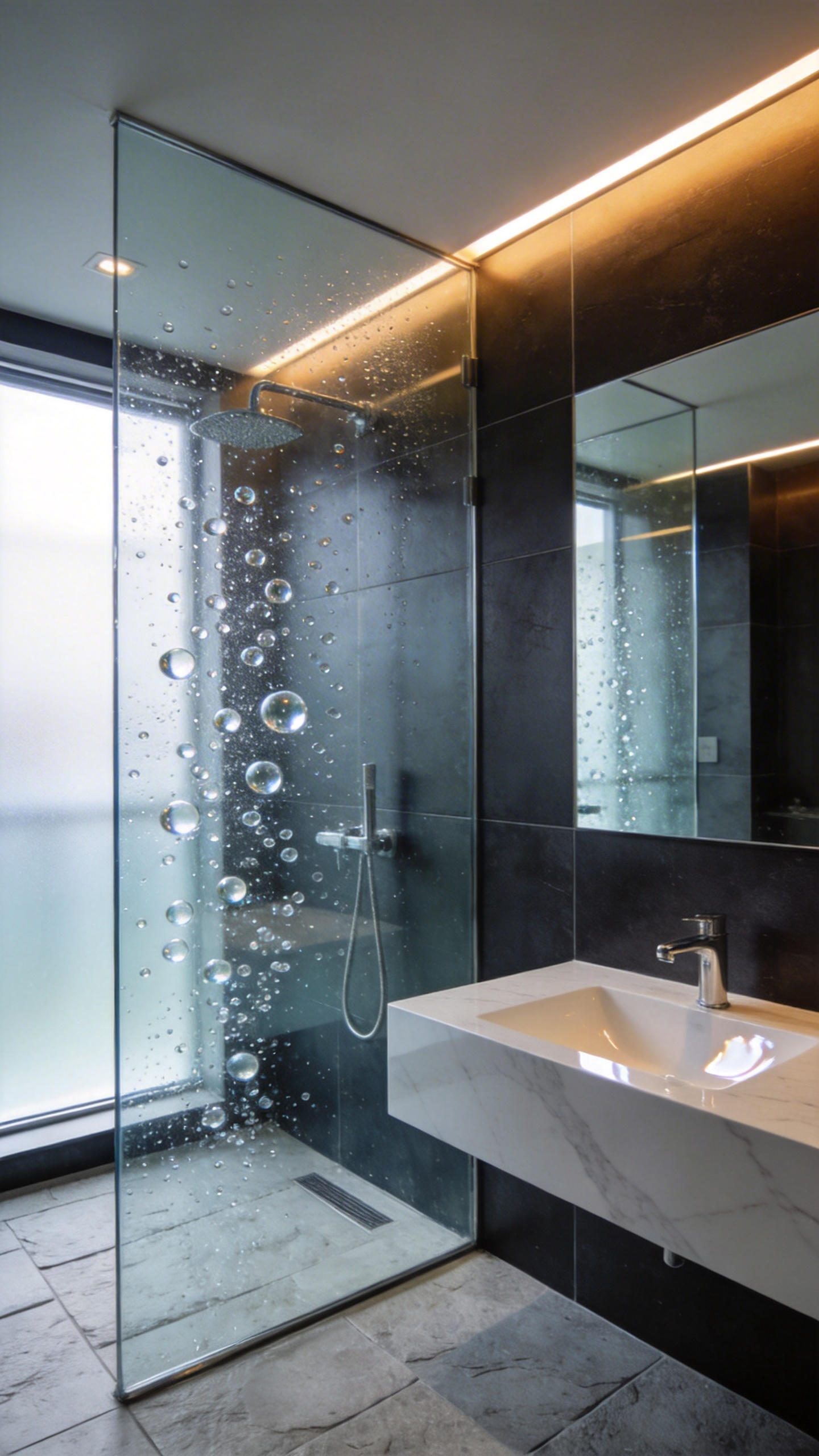
However, surface tension also describes the sensory impact on the user. Hard surfaces like porcelain create acoustic echoes. They also cause thermal shock. Therefore, designers create “soft” thresholds using specialized bathroom wall decoration. Strategies include materials with lower thermal conductivity, such as cork. In fact, this reduces cognitive load. It creates a sanctuary-like atmosphere.
Texture serves as a critical visual interface. Historically, wallcoverings like Lincrusta introduced deep relief. Similarly, modern designs utilize “Béton Brut,” or raw concrete. This contrasts against refined chrome. Ultimately, this friction between rough and smooth forces the eye to slow down. As a result, even small bathrooms feel complex and expansive.
4. The Imperfection of Clay: Utilizing Zellige Tiles for Light Refraction
To understand Zellige’s refractive power, look to its geologic origin. The grey clay of Fez, Morocco, is rich in lime. During firing, mineral impurities react unevenly. Consequently, the surface develops pitting and crazing. In a bathroom, these irregularities prevent harsh reflections. Instead, light scatters across the wall. Therefore, the tiles create a “soft focus” effect. This masks water spots while softening the atmosphere.
Beyond composition, the tile’s edge determines its visual rhythm. Master craftsmen hand-chisel each tile with an inward taper. As a result, installers can “butt-joint” pieces. This nearly eliminates visible grout lines. Furthermore, this exposes the clay’s tiny lips to overhead lighting. Suddenly, a static wall mimics sunlight hitting moving water. This “prismatic” effect adds a sensory layer to the bathing ritual.
Additionally, the glazing process enhances optical depth. Because the clay is not flat, glaze pools in depressions. Thus, a single monochromatic tile displays multiple color values. When light strikes, it penetrates the translucent glass. It bounces off the clay beneath. Material scientists call this *subsurface scattering*. Consequently, a white wall shifts from cream to silver. Ultimately, Zellige provides rich texture without overwhelmed color.
5. Matte Meets Gloss: Creating Depth Through Glaze Contrast
Combining matte and glossy glazes is a sophisticated strategy. It creates “visual volume” in static spaces. This interplay relies on how light hits the surface. Specifically, glossy glazes are microscopically smooth. Consequently, they act like mirrors through specular reflection. Conversely, matte finishes are microcrystalline. These protrusions scatter light in every direction. Therefore, they create a diffuse reflection that feels warm.
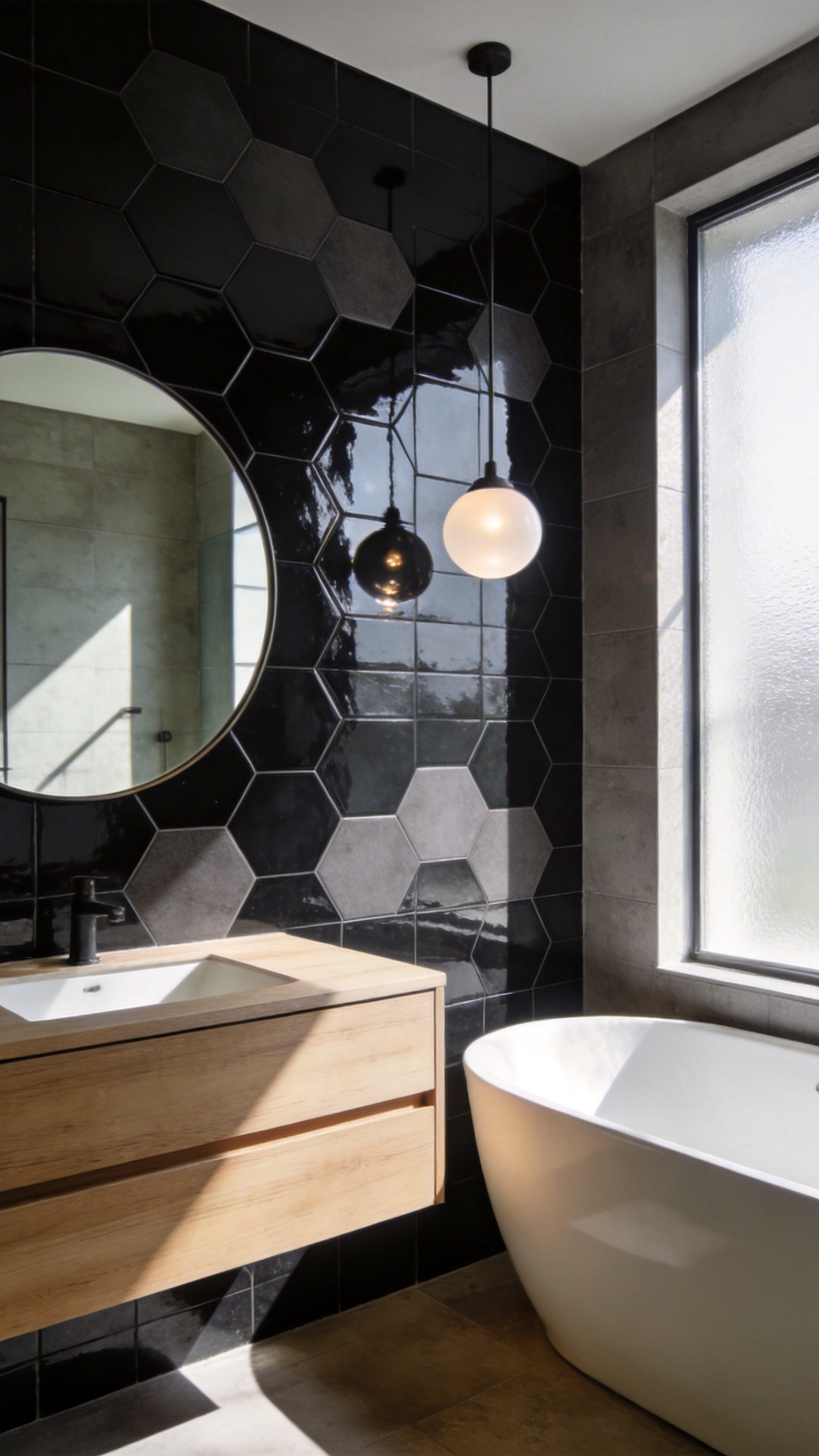
The brain struggles to reconcile these differing light behaviors. As a result, a monochromatic wall gains sculptural depth. Designers often utilize a “tone-on-tone” approach. By using the same color, you create a “shifting” wall. Morning sunlight might catch the gloss. Evening lamps highlight the matte.
To achieve balance, use the 70:30 rule. Use matte tiles for 70% of the room. They offer essential slip resistance on floors. Then, reserve glossy tiles for the remaining 30%. Place them at eye level to capture kinetic light. Furthermore, use a matching grout color. This forces the eye to focus solely on texture. Ultimately, this mix mimics the natural “sunlight on water” effect.
6. Softening the Hardscape: Integrating Teak and Walnut Elements
Integrating teak and walnut is a design “handshake.” It merges maritime durability with elegance. Consequently, these materials “soften the hardscape” of sterile tile. Furthermore, this approach aligns with biophilic design. Research suggests that viewing wood grain lowers blood pressure. Therefore, adding timber transforms a cold laboratory feel into a sanctuary.
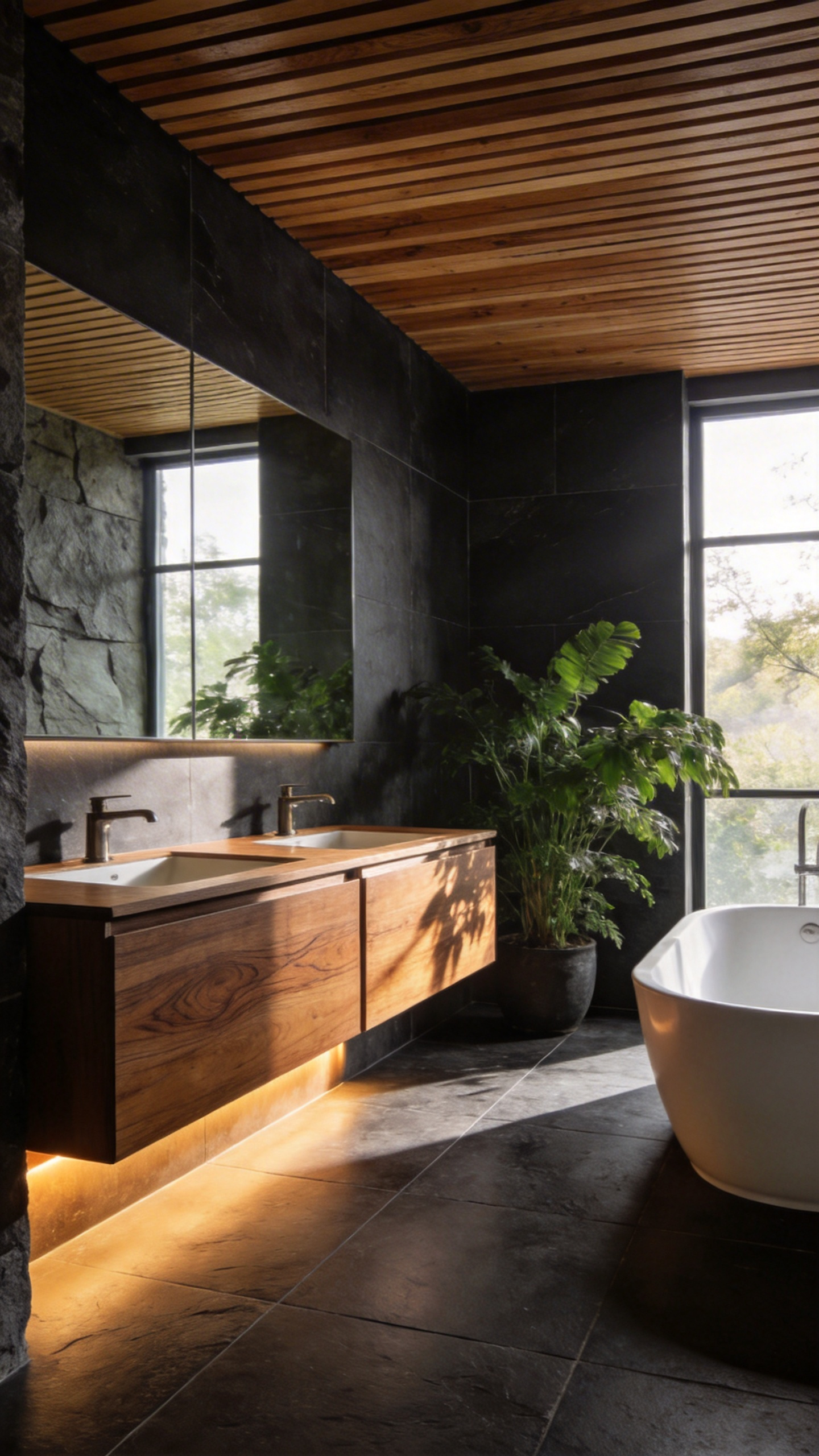
Successful integration requires understanding moisture resistance. Teak acts as “The Shield.” It contains natural rubber and silica. Thus, it serves as an internal waterproof membrane. It remains suitable for direct water contact. Conversely, walnut functions as “The Cloak.” It lacks teak’s oily armor. Therefore, walnut is best utilized for “high and dry” elements like vanities. To survive humidity, it requires a marine-grade varnish.
Beyond utility, these woods engage the senses. Steam amplifies teak’s aroma. It smells leathery or like old books. Meanwhile, walnut provides visual energy through dramatic grain. Nevertheless, joining soft materials with hard tile requires engineering. Wood expands with moisture. It must never butt directly against grout. Installers use a flexible silicone gasket to allow movement. Ultimately, this attention to detail replaces thermal shock with warmth.
7. The Vertical Eye: Fluted Paneling and Tambour Details
The “Vertical Eye” utilizes rhythm to transcend utilitarian roots. Historically, this aesthetic mimics Classical columns. Fluting originally hid stone joints to create seamless monoliths. Today, it grounds modern spaces with similar permanence. It moves the design away from sterile, flat surfaces.
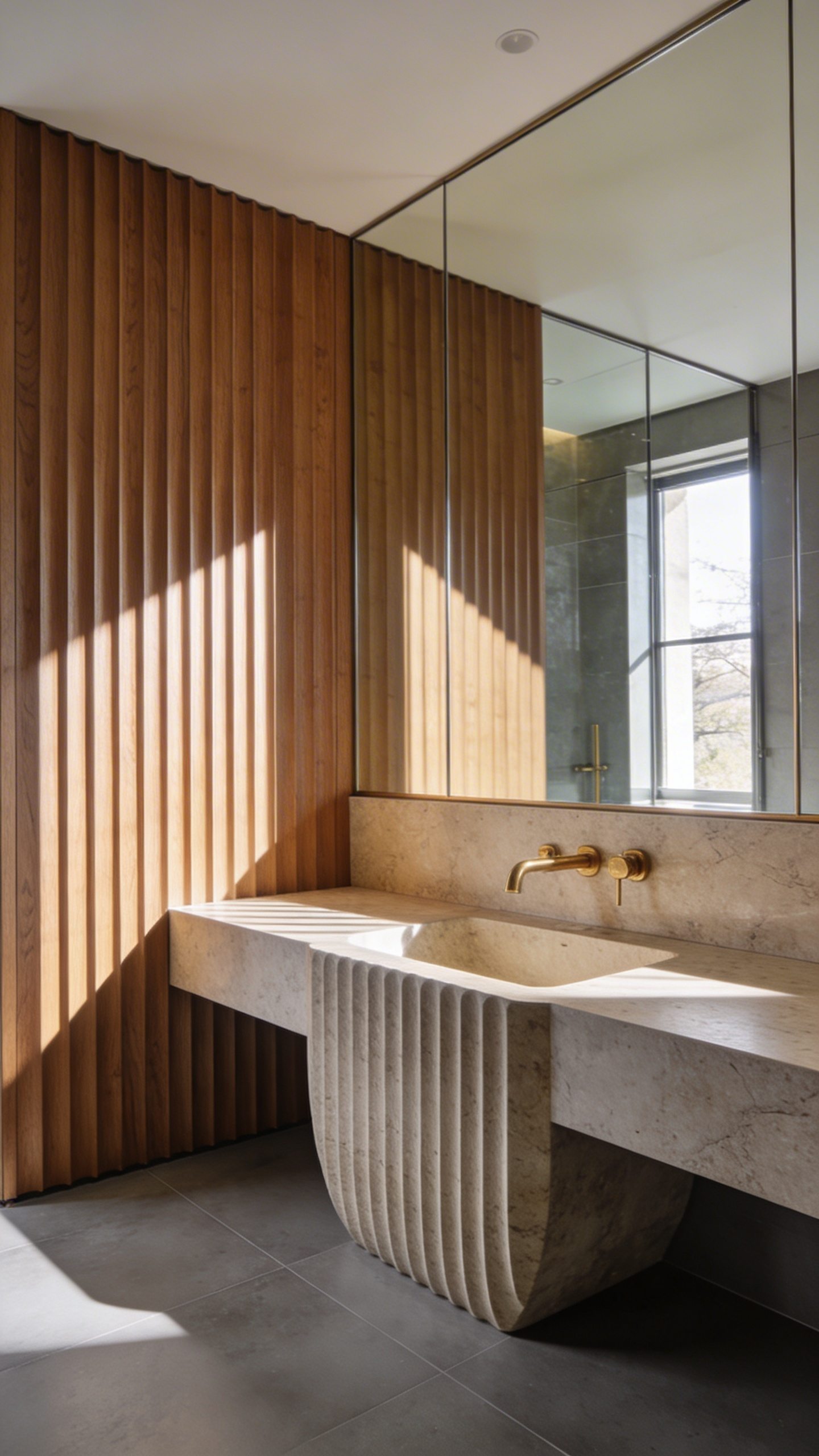
Modern applications offer distinct visual nuances. Concave fluting creates deep shadows on stone basins. Conversely, convex reeding catches light on its peaks. This is effective in shower glass, creating a glowing atmosphere. Furthermore, tambour introduces functional curves. These flexible slats allow for hidden storage in tight quarters where swinging doors fail.
Psychologically, these lines draw the gaze upward. Consequently, even bathrooms with standard ceilings feel grander. Moreover, verticality offers visual order. This consistent rhythm acts as a sedative for the eyes.
Material choice dictates longevity here. Traditional wood often warps. Therefore, designers favor Wood Plastic Composite (WPC) for waterproofing. Alternatively, fluted marble adds “cold-touch” luxury. This texture engages touch as well as sight. Deep grooves can trap dust, but the architectural impact outweighs the maintenance. Ultimately, incorporating vertical detailing future-proofs the design.
8. Stone Selection: Honed vs. Polished Finishes for Emotional Warmth
Stone finish dictates the bathroom’s emotional temperature. The choice between honed and polished surfaces alters light interaction. Polished stone acts like a mirror. It creates high-contrast reflections. Consequently, this brightens a space but often feels clinical. In contrast, honed finishes stop the grinding process early. This creates a satin surface. This texture diffuses light, reducing visual noise. Therefore, the resulting glow creates a serene atmosphere.
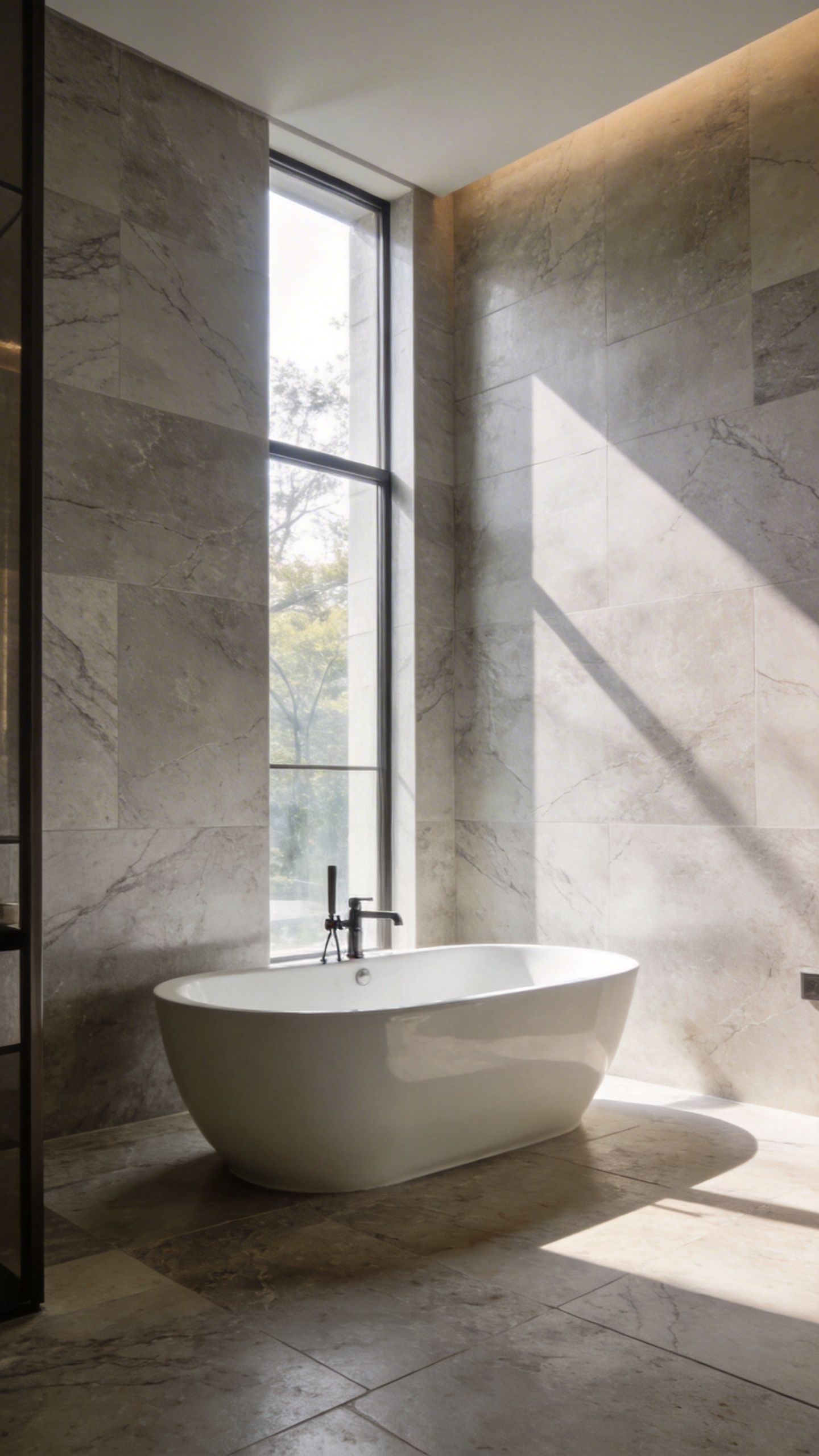
Beyond visuals, tactile experience drives wellness. A bathroom should invite physical contact. Experts describe honed stone as velvety. This softness stimulates sensory receptors associated with relaxation. Furthermore, honed stone feels warmer than polished surfaces. Microscopic peaks on the matte surface create air barriers. Thus, the material feels like a living element.
Psychologically, security is essential. Honed stone offers superior slip resistance. This allows the body to relax on wet floors. Aesthetically, honing mutes colors for a “Quiet Luxury” look. However, you do not have to abandon gloss entirely. Mix these finishes to build depth. Use honed floors for safety and polished walls to catch light. Ultimately, this layered approach engages the senses without overwhelming them.
Phase 3: Structural Material Innovation (Advanced Application)
Phase 3 departs from surface-level aesthetics. It focuses on materials acting as the room’s skeleton. Advanced technologies are redefining the bathroom as a high-performance sanctuary. Consider translucent structural concrete. Unlike opaque barriers, this embeds optical glass fibers into the matrix. Consequently, load-bearing walls shimmer with depth. They replace the need for windows in high-privacy zones while harvesting natural light.
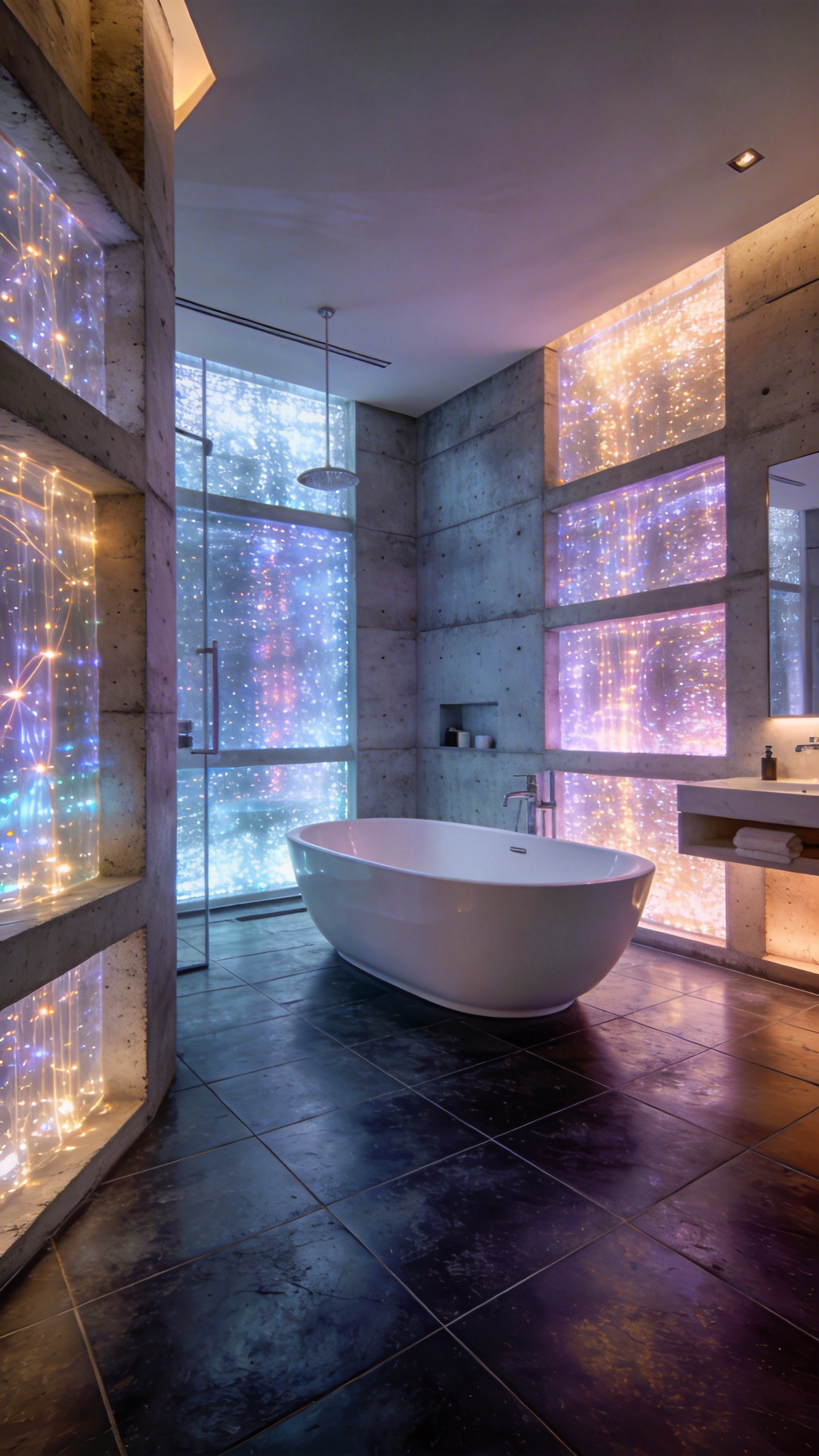
Next, carbon fiber composites offer weightless endurance. Originally engineered for aerospace, these allow for “impossible” architecture. Heavy cast iron is replaced by floating vanities supported by a single base. Moreover, nano-coatings provide a warm touch. This solves the tactile coldness associated with ceramics.
Additionally, large-format sintered stone creates a seamless skin. By wrapping structural foam boards, designers create monolithic environments. These surfaces are often infused with titanium dioxide nanoparticles. As a result, the walls trigger a reaction to kill bacteria. Finally, bioceramics introduce “living” structures. Researchers can now 3D-print flexible walls that withstand thermal expansion. Ultimately, these innovations merge durability with wellness.
9. The Drama of Continuous Veining: Large-Format Porcelain Slabs
Massive porcelain slabs increasingly define modern luxury bathrooms. These surfaces transform walls into seamless skins. Unlike traditional ceramics, “through-body” technology layers minerals throughout the material. Consequently, a mitered vanity edge creates the illusion of solid hand-carved stone. This engineering removes the “printed” aesthetic that once plagued porcelain.
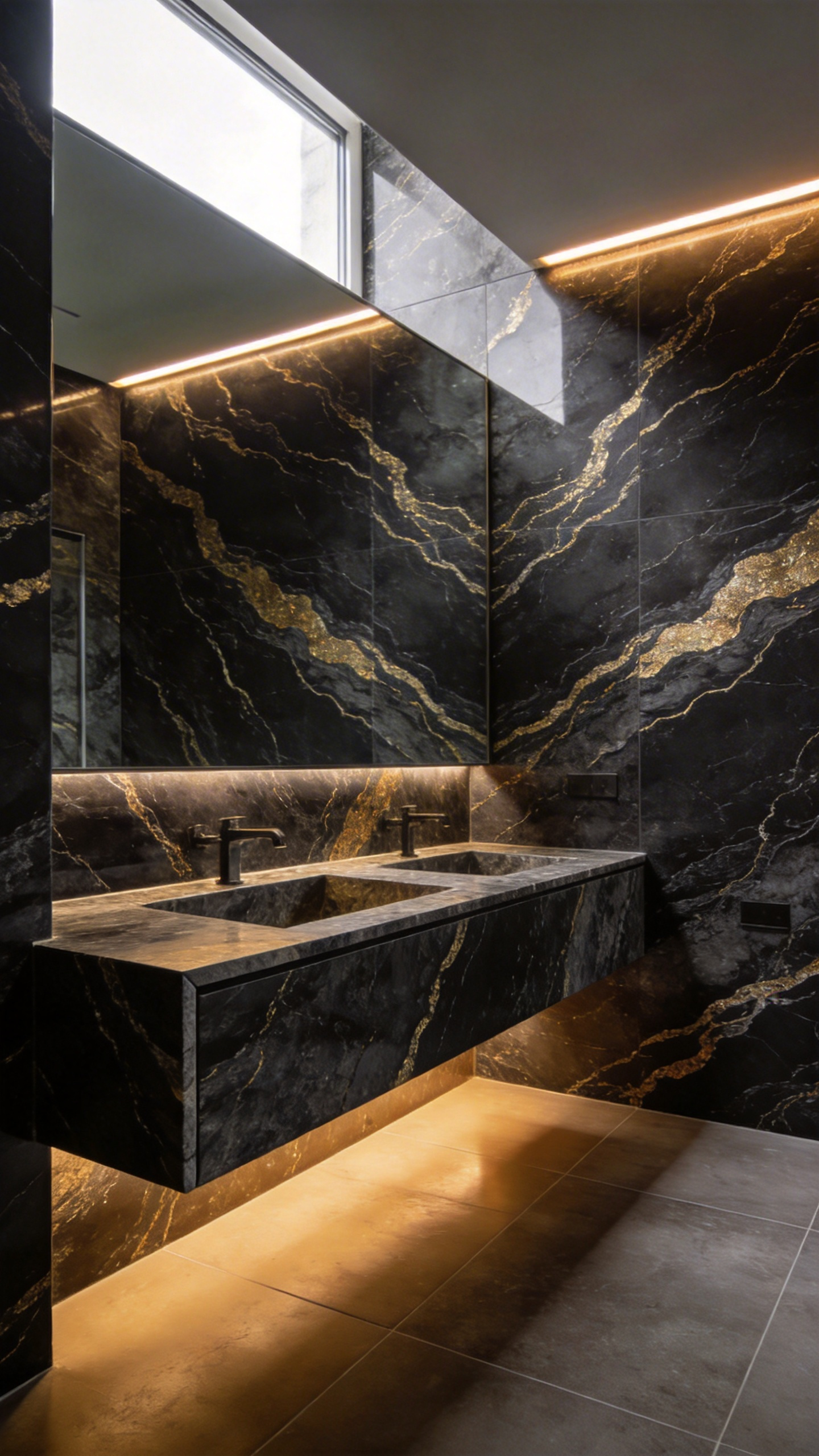
The visual experience reaches its peak with bookmatching. Adjacent slabs mirror each other to create a symmetrical effect. As a result, the wall serves as kinetic art. The eye follows sweeping veins without interruption.
Beyond aesthetics, monolithic designs alter psychology. By eliminating nearly 90% of distracting grout lines, the space feels unified. Fewer visual breaks promote a meditative quality. Practically, this material creates a hygienic envelope. With a low moisture absorption rate, these slabs resist stains. Therefore, you gain the drama of stone without its fragility.
10. Translucency as Material: Reeded and Ribbed Glass Partitions
Translucency serves as a deliberate architectural tool. Reeded and ribbed glass partitions function as a “curtain of light.” Unlike flat acid-etched glass, these textured surfaces rely on refractive distortion. Consequently, they produce shimmering “caustics.” This effect provides “polite privacy.” It stretches sharp silhouettes into soft blurs. Therefore, the space retains an open feel without sacrificing intimacy.
This material significantly reduces visual noise. Bathrooms often suffer from cluttered toiletries. However, reeded glass acts as a diffusion filter. It smooths these details into a calming texture. Thus, the brain perceives the space as organized.
Vertical orientation offers advantages beyond aesthetics. Vertical channels facilitate better water runoff. Ideally, the smooth side of the glass should face the shower interior. As a result, homeowners can squeegee the surface easily. Ultimately, whether framed in steel or brass, this material bridges utility and art.
11. The Modern Terrazzo: Scaling Aggregates for Visual Impact
Modern terrazzo has evolved from the uniform flooring of the mid-20th century. Designers are embracing “Macro-Terrazzo.” Consequently, the focus shifts to scaling aggregates for visual impact. This aesthetic utilizes oversized chips, ranging up to 1.5 inches. These large fragments create a graphic, painterly effect.
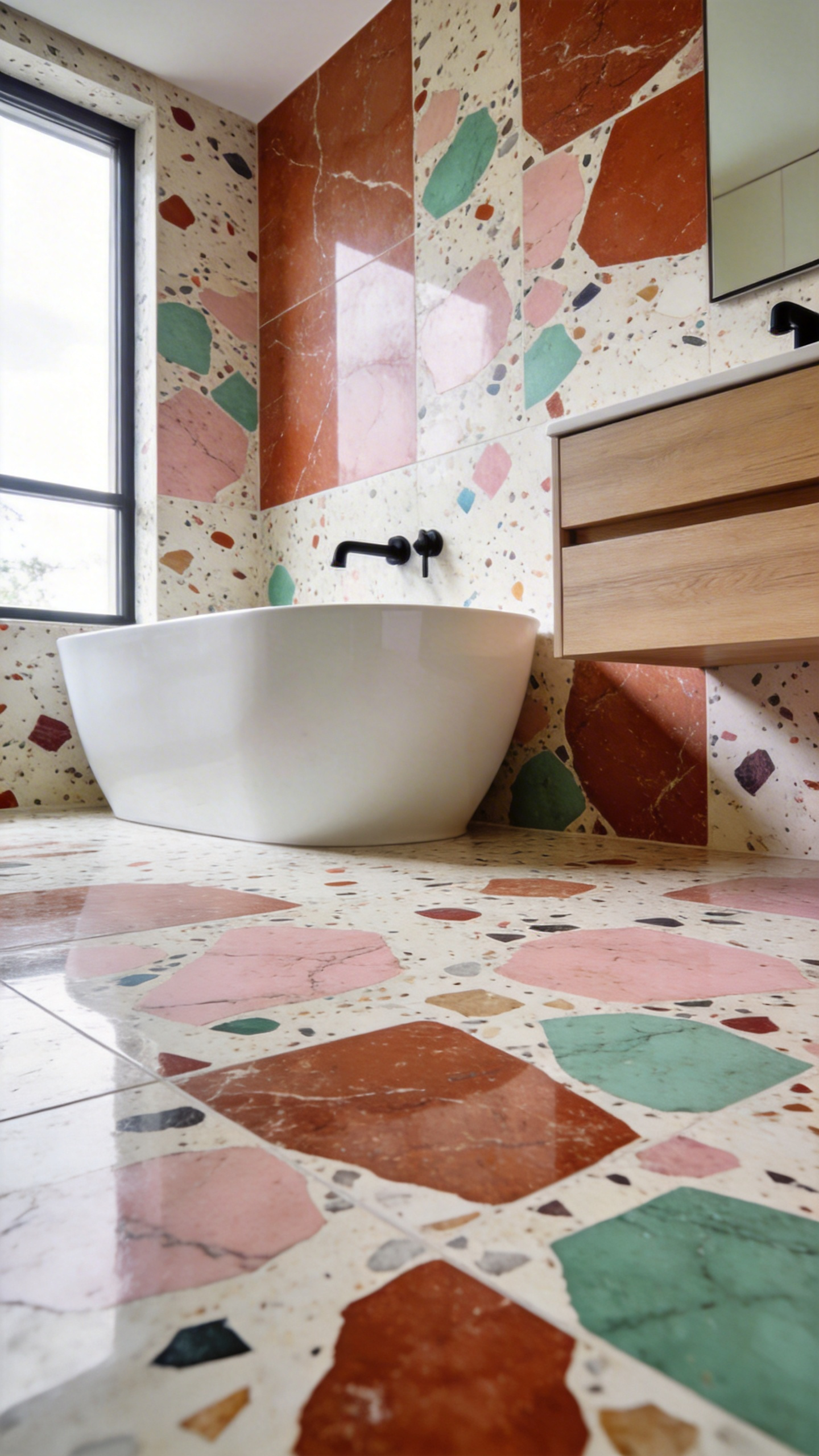
To support this, manufacturers use high-strength epoxy resins. Therefore, heavy stones can hang on walls without the weight of cement. Designers also select crushing methods to shape the mood. Jaw crushers produce jagged fragments. Conversely, cone crushers create rounded, pebble-like shapes.
Surprisingly, these large patterns work well in small bathrooms. Large aggregates create broader visual intervals. This draws the eye across the surface in larger jumps. As a result, the space feels expansive. Furthermore, utilizing large-format slabs eliminates grout lines.
Tactile finish defines the material’s luxury. Modern trends favor a honed finish. Thus, the surface diffuses light softly. Finally, custom mixes often layer materials like Mother-of-Pearl. These elements catch vanity lighting, adding depth.
12. Architectural Concrete: Bringing Brutalist Warmth to Vanities
The shift toward “Warm Brutalism” marks a departure from clinical bathrooms. This design philosophy embraces material honesty. It creates a sense of grounded luxury. It is no longer about cold aesthetics. Instead, modern applications rely on Glass Fiber Reinforced Concrete (GFRC). Because GFRC is strong, designers can craft thin profiles that appear to float.
The casting process introduces essential warmth through texture. Techniques like wood-grain imprinting transfer the organic knots of timber onto the surface. Consequently, the vanity possesses the durability of rock but the visual softness of wood. This prevents the space from feeling industrial.
However, architectural concrete rarely works in isolation. Establish a material dialogue. Specifically, integrate “living” materials like unlacquered brass. These metals develop a patina alongside the concrete. Additionally, consider lighting temperature. Amber LED strips placed beneath a vanity reflect off the grey surface. This makes the material appear velvety. Ultimately, this transforms a utility fixture into a sensory anchor.
13. Statement Grouting: Treating Negative Space as a Design Element
Historically, grout served a purely functional purpose. However, modern design treats these joints as crucial negative space. This shift transforms “in-between” areas into a visual pattern. Oversized “weighted” grouting creates a rhythmic texture similar to woven fabric. Consequently, the eye perceives a rich, layered surface.
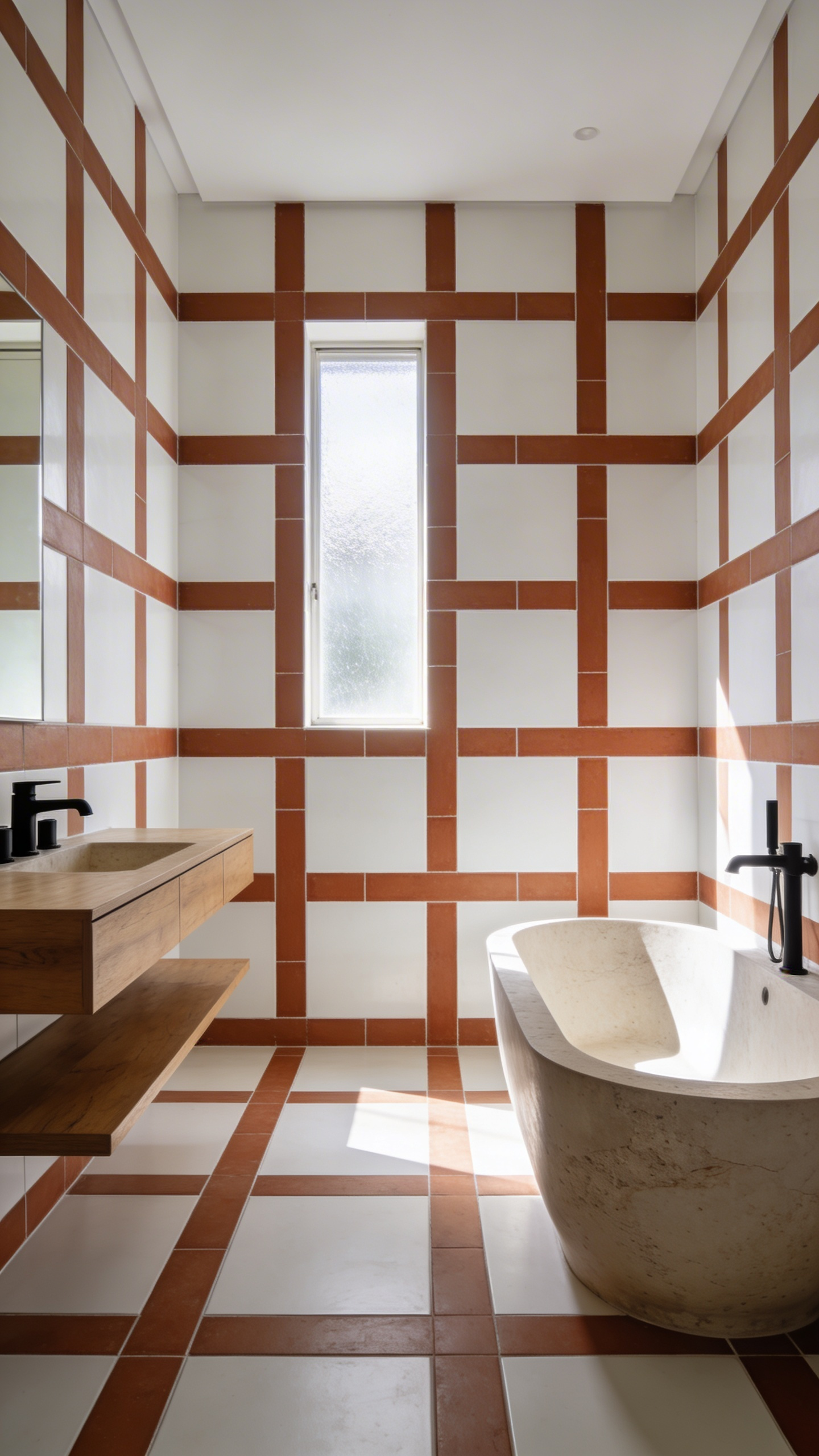
Color plays a pivotal role in setting the emotional temperature. Warm-toned grouts like terracotta evoke a soft patina. Conversely, high-contrast pairings sharpen energy. This graphic approach helps organize complex spaces.
Furthermore, material innovations have introduced luxury to this element. Metallic epoxy grouts act as “wall jewelry.” They catch light dynamically. Therefore, these details harmonize with high-end fixtures. Finally, the evolution from cement to non-porous epoxy renders bold choices practical. Homeowners can embrace intricate designs without fearing mold.
Phase 4: Sensory Integration (Mastery Level)
At the Mastery Level, bathroom design transcends visuals. It becomes environmental engineering. This phase creates a “sensory matrix” coded to interact with the nervous system. Consequently, the focus shifts from how a space looks to how it feels through modern bathroom decoration.
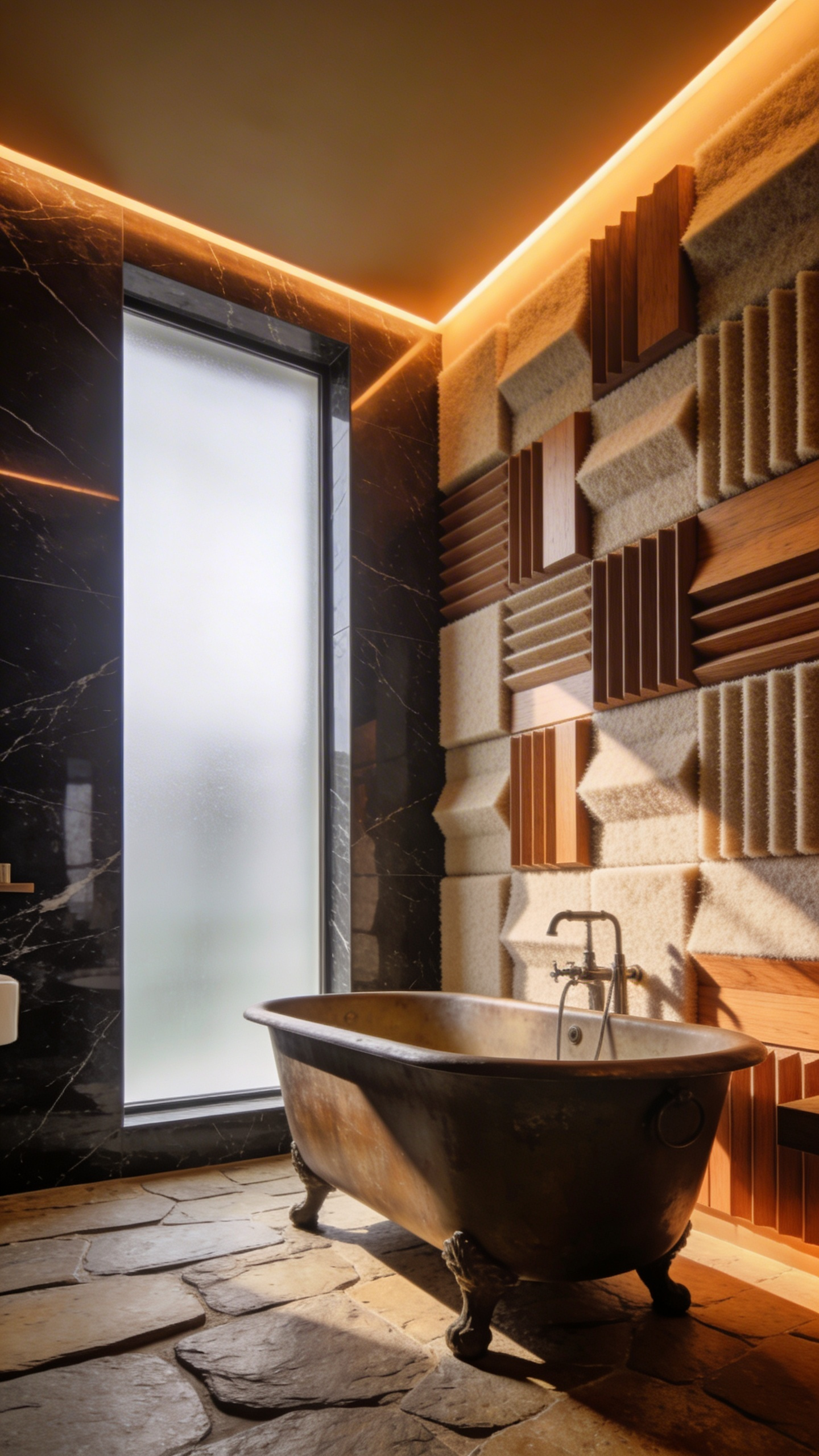
First, consider acoustics. Standard tiled rooms act as echo chambers. Therefore, mastery involves “acoustic decoupling” using high-density materials. As a result, the space feels distinctly “hushed.” Similarly, lighting evolves beyond dimming. We implement circadian-synced systems. Lights transition from cool blue in the morning to amber by evening.
Furthermore, the tactile experience is paramount. This concept, “barefoot design,” utilizes texture to engage proprioception. Ideally, the floor creates a “grounding sequence.” Feet move from a soft rug to honed limestone. Moreover, this choice varies the acoustic signature of water. Hitting slotted teak “shatters” the splash sound. It replaces sharp clatter with white noise.
True synthesis occurs when these elements dialogue. We integrate scent through dry-air nebulizers. Thus, the visual warmth of walnut matches the physical warmth of the air. Ultimately, this ergonomics allows the mind to rest.
14. Biophilic Materials: Living Moss Walls and River Stone Flooring
Biophilic design in luxury bathrooms actively engages every sense. Moss walls act as sophisticated acoustic dampers. They absorb sound effectively to eliminate harsh echoes. Consequently, the space gains the quiet atmosphere of a woodland.
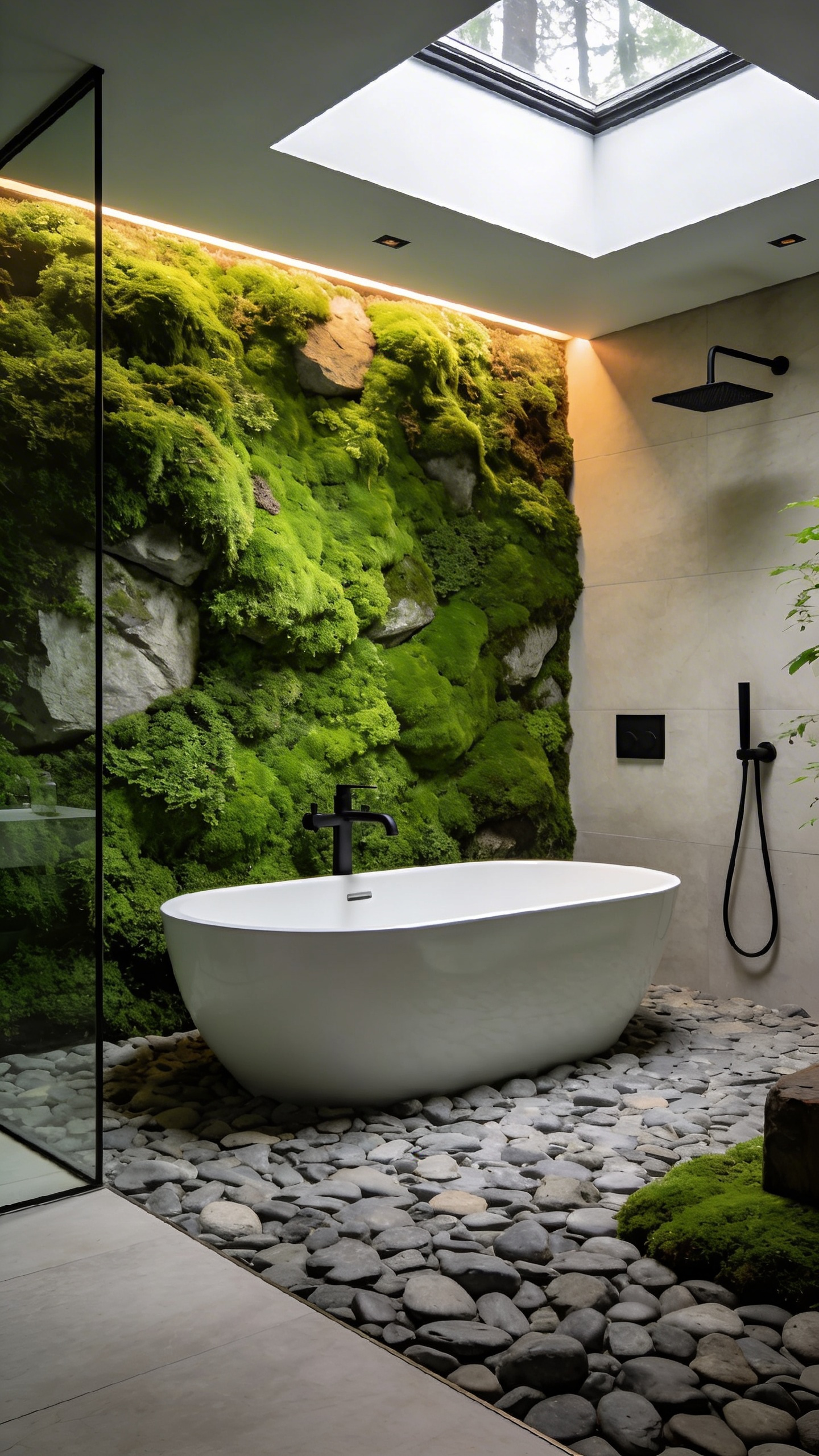
Most high-end installations utilize preserved moss. Treated with glycerin, this material absorbs excess humidity. Therefore, it remains soft without maintenance. Visual depth is often achieved by layering different moss types.
Beneath the feet, river stone flooring offers a grounding experience. Rounded pebbles gently massage pressure points. Furthermore, natural stone possesses high thermal mass. When paired with radiant heating, rocks retain warmth. Thus, the heat distribution feels organic.
For installation, experts recommend penetrating sealers. This protects the stone while maintaining its raw grip. Ultimately, this pairing transforms a daily routine into a therapeutic connection.
15. Auditory Softening: Textiles and Rugs that Dampen Echo
Bathrooms traditionally function as hard-surfaced echo chambers. Sound waves ricochet without losing energy. This reverberation often feels cold. However, introducing plush textiles creates a “sonic sanctuary.” Deep-pile rugs act as dampers for bouncing sound.
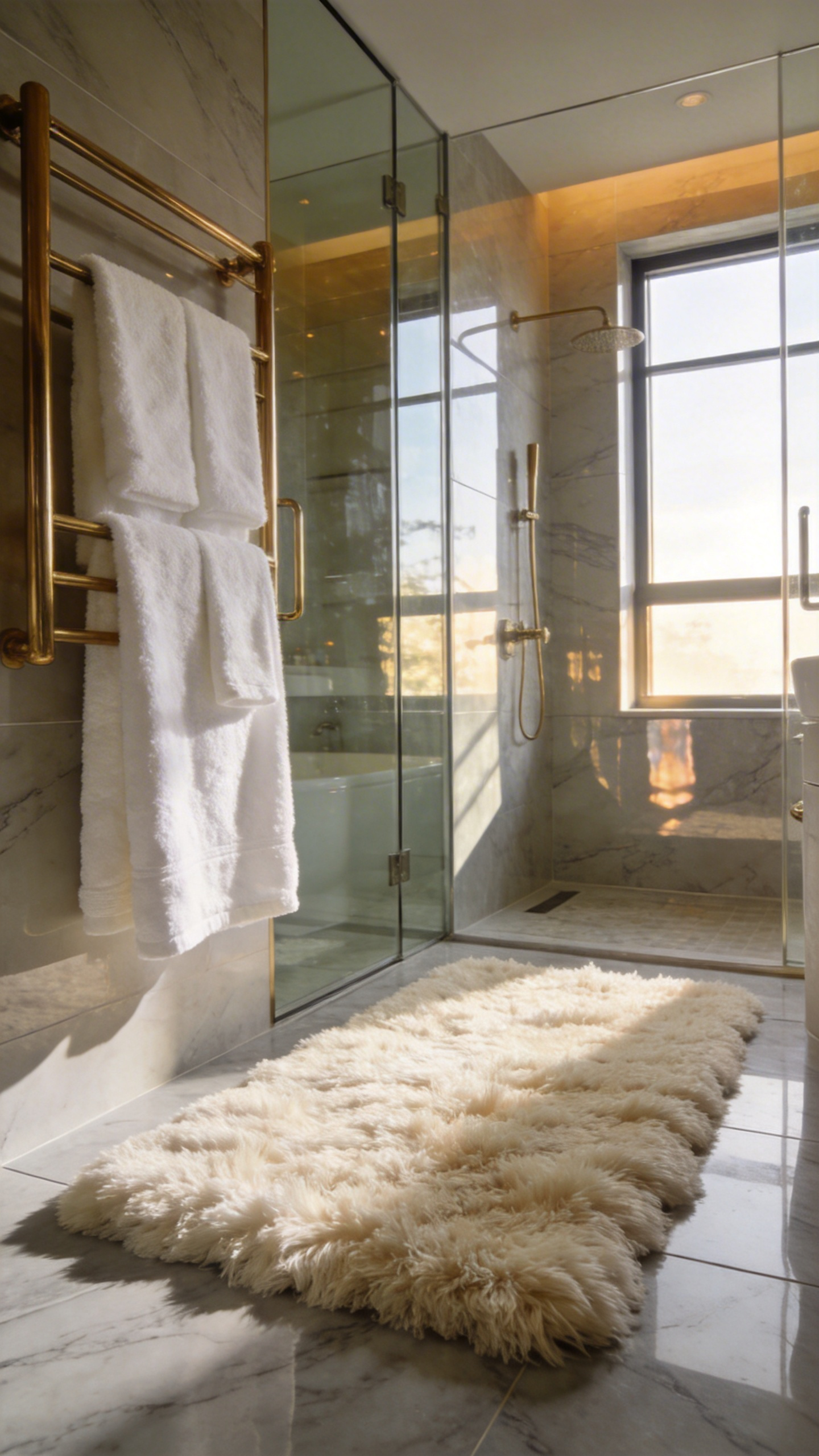
As sound penetrates fibers, friction converts energy into heat. Materials play a crucial role here. High-density wool rugs offer significant noise reduction. Additionally, wool offers natural resilience. Conversely, engineered fabrics excel at trapping high-frequency noises.
Experts recommend a layered approach. Combine natural floor coverings with acoustic drapery. This reduces the room’s “startle response.” This quieting effect signals safety to the nervous system. Removing “airiness” makes the space feel intimate. Ultimately, textures transform background noise into silence.
16. The Interaction of Light and Texture: Grazing Illumination Techniques
Grazing illumination is the “secret weapon” of high-end design. Unlike standard lighting, grazing uses shadows intentionally. It uses darkness to create depth. To achieve this, fixtures must sit close to the wall. Specifically, designers place them within 6 to 12 inches of the surface. Therefore, the light hits at a steep angle. This geometry exaggerates every microscopic peak. As a result, a flat wall appears three-dimensional.
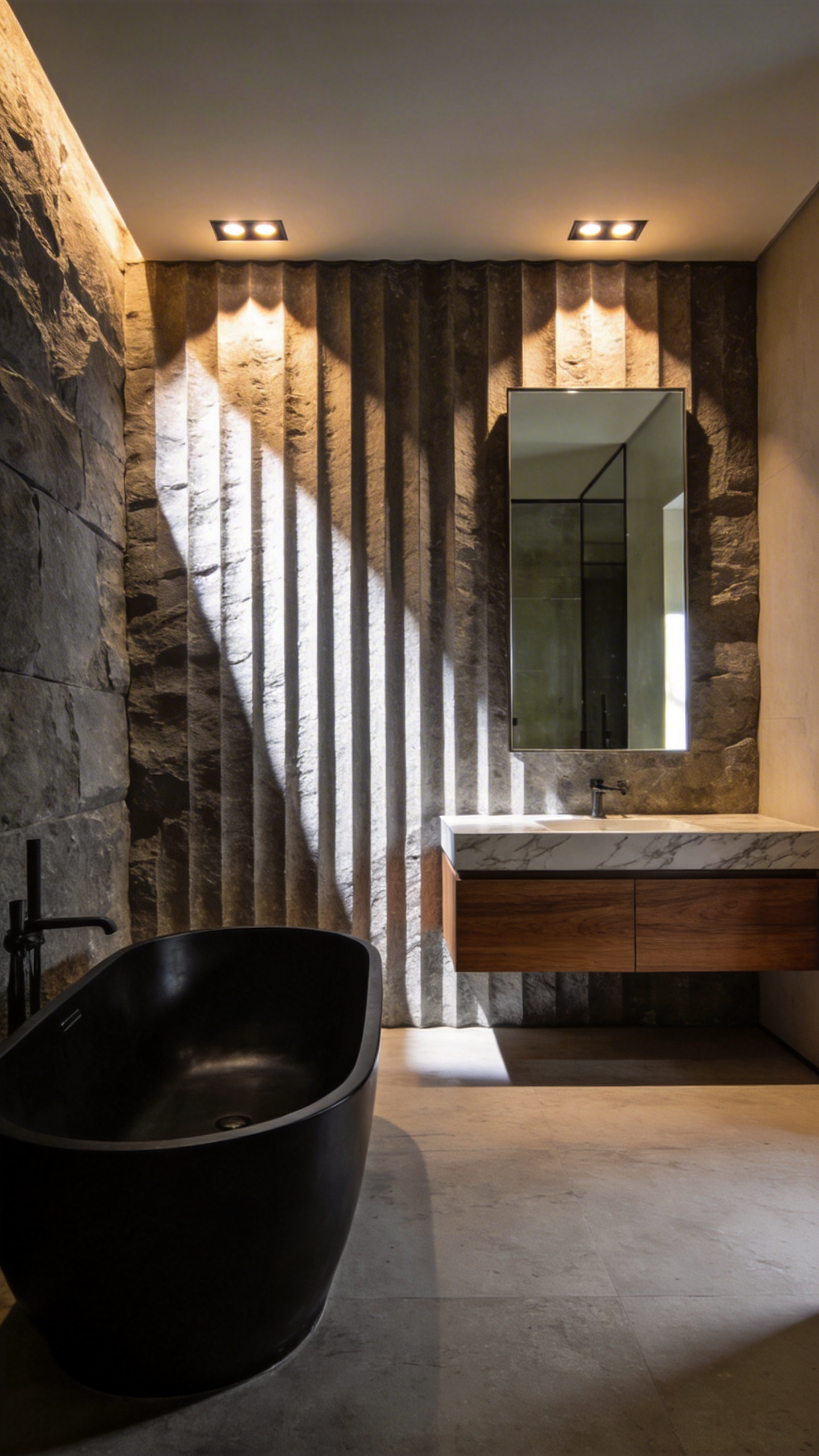
Material choice dictates success. Ideally, pair grazing light with matte finishes. Polished surfaces create blinding glare. Thus, natural materials like split-face slate function best. Additionally, 3D tiles transform into kinetic art under this illumination.
Furthermore, grazing adds nuance to wet zones. When installed in a shower niche, beams interact with steam. Water droplets catch the light, creating shimmering rays. This mimics the low-cortisol quality of candlelight. Nevertheless, layout precision is required. Avoid placing obstacles in the light’s path. Jagged shadows will break the narrative. Finally, remember that grazing is accent lighting. Always layer it with task sources.
Frequently Asked Questions
What are the best bathroom decorating ideas for a luxury feel?
To achieve a luxury feel, focus on material honesty and sensory richness. Incorporate “living finishes” like unlacquered brass that patina over time, use natural stones with honed finishes for a soft ambient glow, and integrate biophilic elements like moss walls or teak wood to soften hard surfaces.
How do I choose materials for a spa-like bathroom?
Choosing materials for a spa-like environment requires balancing thermal comfort and acoustic softening. Opt for materials with lower thermal conductivity like wood or cork to avoid “cold shock,” and use textured surfaces like Zellige tiles or fluted paneling to scatter light and reduce the sterile echo of flat porcelain.
What is the current trend in high-end bathroom wall decor?
The current trend focuses on “Warm Brutalism” and tactile architectural surfaces. This includes the use of Glass Fiber Reinforced Concrete (GFRC) for thin-profile vanities, large-format porcelain slabs for seamless veining, and reeded glass partitions that provide privacy while creating beautiful light distortions.
Conclusion: Curating a Bathroom That Engages All Five Senses
True luxury extends beyond visual aesthetics. In fact, a well-curated bathroom functions as a biological reset button. By blending neuroaesthetics with tactile materials, we create a sanctuary for the nervous system. Consequently, these bathroom decorating ideas offer an antidote to digital fatigue. Layering sound, scent, and texture transforms a utility room into a retreat. Thus, the priority shifts from function to wellbeing.
Ultimately, this approach represents the future of restorative living. Homes must nourish us internally. Therefore, treat your bathroom as a canvas for “sensescaping.” Audit your space for haptic variety. Introduce a texture or scent to anchor your ritual. Allow your senses to guide every decision.